

Teething Baby Food: Soft Meals That Are Easy to Eat
Soft, moist meals can make eating more comfortable when your teething baby's gums feel tender. Mashed sweet potato, ripe banana, plain yogurt, and soft lentils are easy options to adapt to your baby's feeding skills.
A sore mouth can change what your baby wants at mealtime, even if they usually enjoy more texture. The aim is to offer familiar, manageable foods without pressure.
Start with the textures your baby already handles well, then adjust meals as their appetite and comfort change.
What to Offer a Teething Baby
When gums feel sensitive, your baby may prefer a smooth mash over a food that needs more chewing. A cool serving of plain yogurt or mashed fruit may be more appealing than a warm meal. Let your baby's response guide you, and avoid serving food that's uncomfortably hot or frozen solid.
You don't need special ingredients. A ripe banana can become a snack, while the sweet potato you're cooking for dinner can become part of your baby's meal. Set aside a portion before adding salt or sauces.
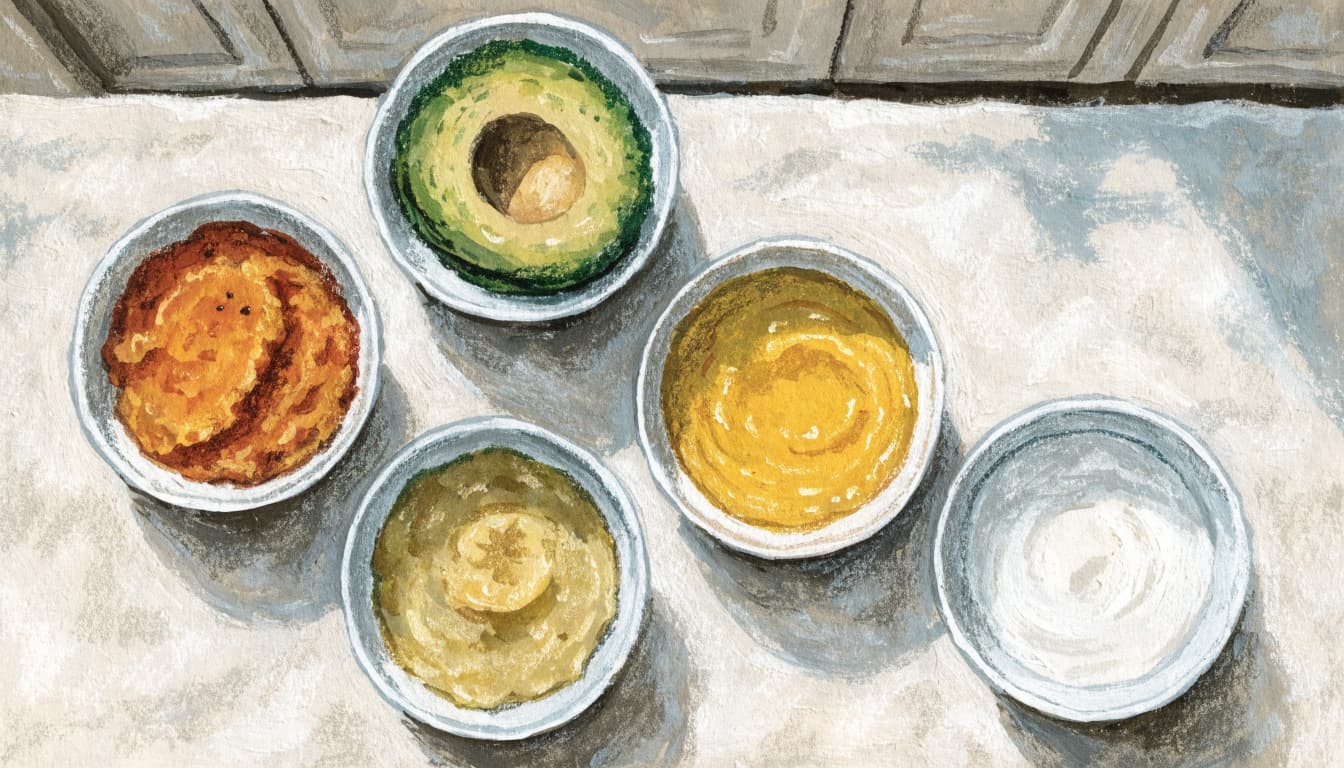
Keep portions small at first. If your baby wants more, you can offer another spoonful from a clean container. If they turn away or close their mouth, stop and try again at another meal.
Teething doesn't mean every food needs to become a thin puree. Babies can use their gums to manage tender foods before teeth appear. However, a softer version of a familiar meal can be a welcome option on a sensitive day.
Choose a Texture That Matches Your Baby's Skills
The right texture depends on your baby's experience with food. Some babies are comfortable with a smooth mash, while others already manage soft lumps or graspable pieces.
Smooth and spoonable foods
For a baby beginning solids, try mashed avocado, cooked sweet potato, or plain yogurt. Make sure the food is free of hard pieces and smooth enough for your baby to handle comfortably.
If a mash is too thick, stir in a little water, breast milk, prepared formula, or unsalted cooking liquid. Add liquid gradually. A soft mixture that stays on a spoon can give your baby practice moving food around their mouth.
Soft lumps and finger foods
If your baby already manages lumpier foods, use a fork to leave small, soft pieces in cooked vegetables or beans. For self-feeding, choose food your baby can bring to their mouth and squash easily between your thumb and finger.
A tender strip of omelet or a soft piece of sweet potato may suit a baby with those skills. Another baby may need the same food mashed. Our guide to baby chewing practice with soft foods offers more ideas for adjusting texture.
Soft Meal Ideas for Teething Babies
These combinations use ordinary ingredients and can be mashed or blended to suit your baby. Offer new ingredients individually before combining them, so your baby can become familiar with each one.
Sweet potato, lentils, and vegetables
Cook sweet potato until a fork moves through it easily. Mash it with a little cooking liquid for a simple meal, or add soft, well-cooked lentils for an iron-containing option. Blend the mixture smooth if your baby needs that texture.
Soft lentils also pair well with cooked carrots. Simmer both until tender, then mash or blend them together. Remove any firm pieces before serving.
For a variation on family dinner, set aside plain cooked squash or potato before seasoning the rest. Mash it with soft beans or a small amount of finely shredded, tender chicken. Add moisture if needed, and remove any bones or tough pieces.
Oatmeal, fruit, and yogurt
Prepare plain oatmeal until soft, then stir in mashed banana or cooked pear. For a smoother meal, blend the cooked oats and fruit together. Let warm food cool to a comfortable temperature before serving.
Plain, pasteurized, unsweetened yogurt can be served on its own or mixed with fruit your baby already knows. Try mashed banana or peeled pear cooked until tender. Choose the texture your baby manages, rather than leaving firm fruit pieces in the bowl.
For more ways to use everyday ingredients, see our whole-food meal ideas for babies.
Easy Snacks for Tender Gums
Snacks don't need a separate recipe. A small serving of soft fruit or a familiar vegetable can work between meals if your baby is interested.
Fruit and vegetable snacks
Ripe banana and avocado mash easily with a fork. Serve them separately, or mix them after your baby has tried each one. A little plain yogurt can loosen the mixture.
Pear is another option when it's soft enough to mash. If it's firm, peel and cook it until tender. Cooked apple can also be mashed into a smooth snack. Raw, hard apple pieces are difficult for babies to manage.
Leftover plain sweet potato or squash can become a snack, too. Mash a small portion and add a little water if it has thickened in the fridge.
Soft foods for self-feeding
For a baby who can already manage finger foods, offer a soft piece of cooked zucchini, sweet potato, or broccoli in a shape they can grasp. The food should flatten easily between your fingers.
A strip of fully cooked omelet is another option if egg is already familiar. Keep it moist and tender, and stay close while your baby eats.
If sore gums make finger foods less appealing, serve a familiar mash instead. You can return to the textures your baby usually enjoys when they're comfortable. Our soft finger food snack ideas include more choices for self-feeders.
Keep Every Bite Safe and Manageable
Softness matters, but so do shape, moisture, and your baby's position. Even familiar foods need preparation that fits your baby's current skills.
Prepare food for safer eating
Cook firm vegetables and fruits until they're soft all the way through. Remove pits, bones, tough skins, seeds, and stringy or hard pieces before mashing.
Avoid whole nuts, popcorn, whole grapes, raw carrot, hard apple chunks, and large pieces of meat. Thick spoonfuls of nut butter are also difficult for babies to manage. If nut butter is already part of your baby's diet, mix a small amount into a familiar soft food rather than serving it by the spoonful.
For meals with meat or fish, cook them thoroughly and remove every bone. Make the food tender and moist, then finely shred, mince, or blend it to match your baby's abilities.
Sit with your baby during meals
Seat your baby upright in a stable high chair or another secure feeding seat. Stay within arm's reach and give them your attention throughout the meal.
Avoid feeding in a car seat, stroller, reclined seat, or moving vehicle. On a trip, stop somewhere your baby can sit upright before offering food.
A soft meal still requires supervision. Watch how your baby handles each texture, and adjust the next serving if it seems difficult to manage.
What to Do When Your Baby Wants Less Food
A teething baby may eat enthusiastically at one meal and refuse the same food later. Offer a small amount of something familiar, then let your baby decide how much to eat.
Try serving food at a different comfortable temperature. Your baby might accept cool yogurt when warm oatmeal doesn't appeal, or prefer a room-temperature banana mash. There's no need to persuade them to finish the bowl.
Breast milk or formula remains an important part of nutrition during the early stages of solid feeding. Continue your usual milk routine while offering solids at a pace your baby accepts.
When your baby is interested in food, include iron-containing choices such as soft lentils, mashed beans, tender meat, or iron-fortified infant cereal. Fruit and vegetables offer variety, but they don't have to make up every meal.
Prepare and Store Small Portions
A little preparation can make teething days easier. Cook extra sweet potato, carrots, or lentils when you're already making a family meal. Set your baby's portion aside before adding salt or sauces, then mash it to the texture they can manage.
Plain frozen vegetables can also be useful. Cook them until tender, then mash or blend as needed. Choose vegetables without added sauces or seasoning.
Store prepared food in clean containers and keep perishable portions cold. When serving, put a small amount into a separate bowl rather than feeding directly from the storage container. That keeps the untouched portion separate from your baby's spoon.
Discard food left in the feeding bowl after your baby has eaten from it. The same applies to food that has been left out too long or hasn't stayed safely chilled.
Fresh Baby Food Away From Home
A park visit or family outing doesn't have to change your baby's menu. Pack a ripe banana or avocado and mash a small portion when it's time to eat. For cooked vegetables or other perishable foods, use an insulated bag with ice packs and keep them cold until mealtime.
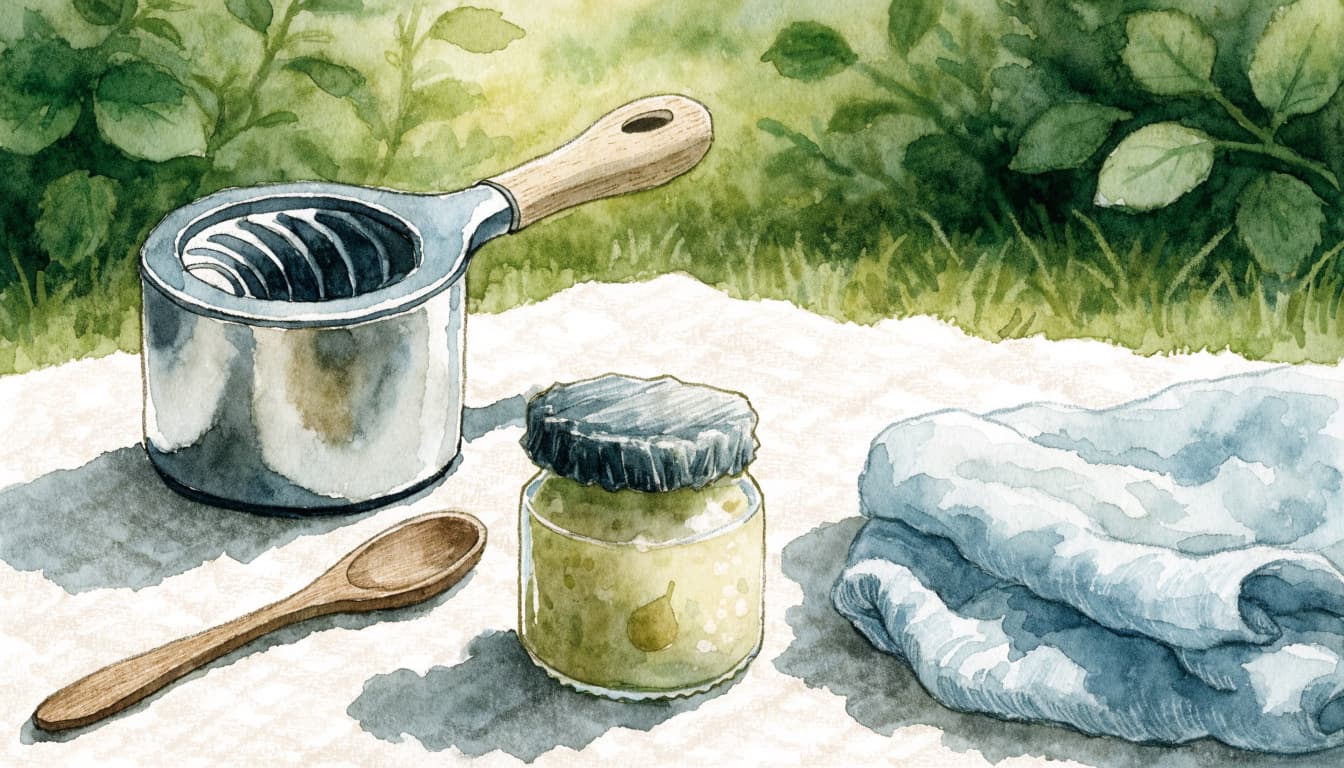
At a restaurant, plain steamed vegetables or a baked potato may work if they're soft and unseasoned. Set aside a small portion, remove any tough skin, and mash it to the texture your baby already handles.
Pack a clean spoon, bowl, bib, and wipes. A feeding tool can make preparation easier, but clean hands, safe storage, and an upright seat still matter. For more practical ideas, see our guide to making baby food without a blender.
A Softer Approach to Teething Meals
Tender gums can make familiar foods feel different. Offering a soft, moist texture and letting your baby set the pace can make mealtimes easier for both of you.
Our Wonder Wean helps you offer healthy foods on the go. This compact, hand-operated baby-food maker mashes ripe fruit or properly cooked foods without electricity or batteries. If you'd like a portable option for fresh meals away from home, you can Buy Now.