

Baby Food Without Blender: Fresh Meals Without a Steamer
A ripe banana can become a fresh meal in less time than it takes to wash a countertop appliance. When you need baby food without blender equipment, a fork, a small bowl, and the right soft ingredient can be enough.
A steamer isn't required either. You can simmer, bake, or microwave produce until tender, then adjust the texture with ordinary kitchen tools. The process is simple once you know which foods mash well, how soft they should be, and how to store them safely.
Baby Food Without Blender: Start With Soft Ingredients
For baby food without blender prep, ingredient choice matters more than equipment. Soft foods break down quickly, while firm produce needs cooking before it becomes suitable for a young eater.
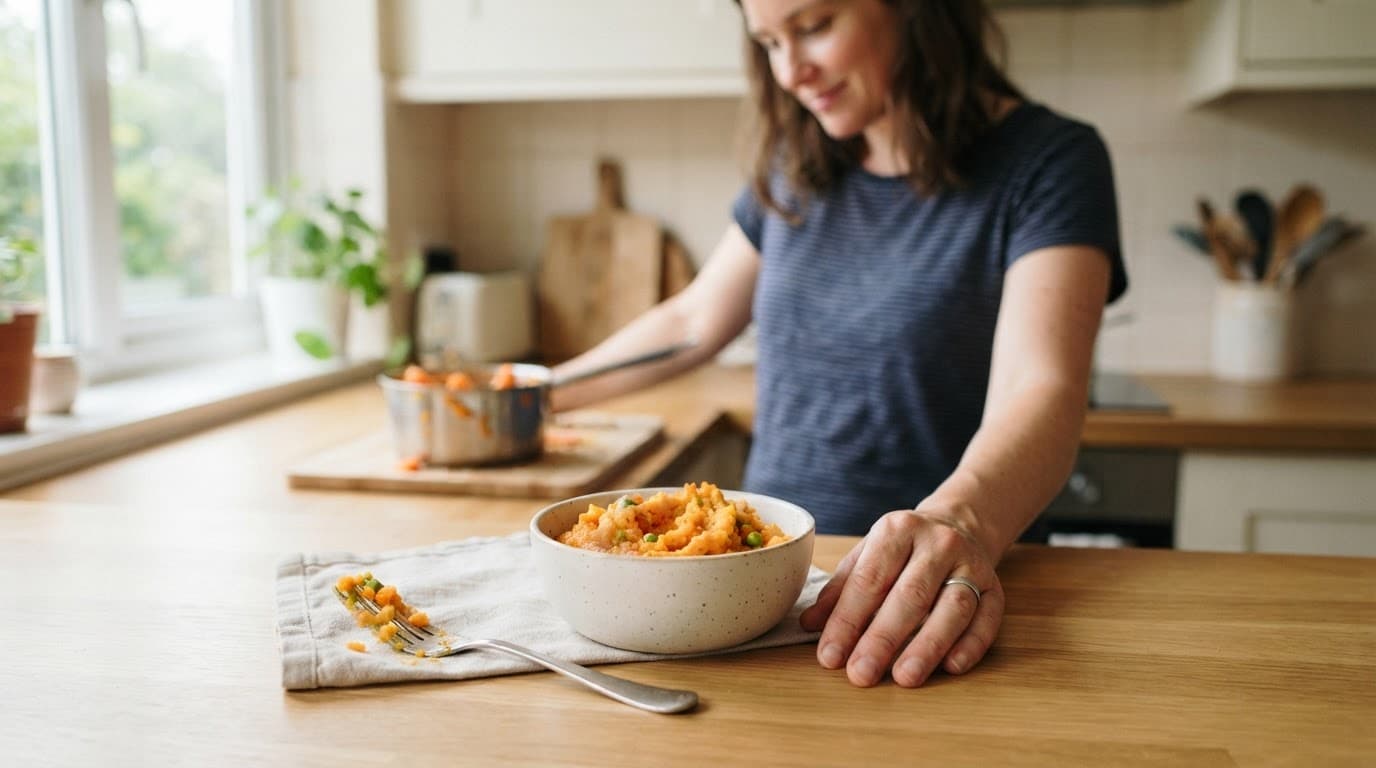
Choose foods that mash easily
Ripe banana and avocado need no cooking. Fully ripe pear, peach, or mango may also work when the flesh is soft and free from skin, pits, and hard pieces.
Harder foods need heat. Sweet potato, potato, carrot, squash, apple, cauliflower, broccoli stems, and peas should feel tender enough to crush easily with a fork.
Wash fresh produce before preparing it. Peel foods with tough skins, remove seeds and pits, and cut firm pieces into similar sizes so they cook evenly.
Use ordinary kitchen tools
A sturdy dinner fork handles most small portions. The back of a spoon can mash ripe fruit, while a potato masher works well for a larger batch of cooked vegetables.
A fine-mesh sieve can create a smoother texture when a fork leaves small fibers or skins behind. Use a clean bowl and clean utensils each time, especially when preparing food for a baby.
You can also thin a thick mash with a small amount of cooking water. Add liquid gradually because a watery puree is harder for a baby to manage with a spoon.
How to Cook Baby Food Without a Steamer
Cooking makes firm produce soft enough to mash and helps remove hard, crunchy pieces. Choose the method that fits the food and the tools in your kitchen.
Simmer produce in a saucepan
Peel and chop the food into small, even pieces. Place it in a saucepan and add enough water to cover the bottom of the pan. Cover the pan and simmer until the pieces squash easily when pressed with a fork.
Carrots, potatoes, apples, peas, and squash work well with this method. Drain the food, but keep a little cooking water nearby in case the mash needs thinning.
Don't rely on cooking time alone. The size and type of produce affect how quickly it softens, so test each piece before serving.
Bake or microwave until tender
Baking can bring out the natural sweetness of squash, sweet potato, and apple. Place peeled pieces on a baking tray and cook them until they are soft throughout, without firm edges.
For a quicker option, put chopped produce in a covered, microwave-safe dish with a small amount of water. Heat it until tender, stir carefully, and allow it to cool before mashing. Microwaves can create hot spots, so check the food well before it reaches your baby's bowl.
How to Mash Baby Food Without a Blender
Once the food is soft and cool enough to handle, mash it in small portions. A simple baby food without blender setup gives you control over texture instead of forcing every ingredient into a perfectly smooth puree.
Mash with a fork
Place cooked vegetables or ripe fruit in a shallow bowl. Press down with the back of a fork, then move across the bowl until the food reaches the texture your baby currently manages.
Add a few drops of water if the mixture feels dry. For a thicker mash, keep pressing without adding liquid. Small portions are easier to texture well than a deep bowl full of food.
Press fibrous foods through a sieve
Some foods leave behind skins, strings, or small fibers. Press the cooked food through a fine-mesh sieve with the back of a spoon, then check the puree for any firm pieces.
This method helps with peas, green beans, and certain cooked fruits. It takes a little longer than fork-mashing, but it can produce a smooth result without electricity.
Use a hand-powered baby food maker
A compact hand-powered pocket blender offers another practical option. The Wonder Wean lets you mash soft ingredients on the spot without an outlet, a full-size appliance, or a separate kitchen setup.
Add an age-appropriate portion of ripe fruit or cooked vegetables, then process it to the texture your baby needs. Clean the parts according to the manufacturer's directions after each use.
Fresh Combinations for Homemade Baby Food
Single-ingredient foods can help your baby become familiar with individual tastes and textures. Once your baby handles those foods well, combining them can make meals more varied without relying on packaged blends.
Begin with one simple food
When your baby is new to solids, offer one ingredient at a time according to your healthcare professional's guidance. A single food also makes it easier to notice whether your baby accepts its taste and texture.
You don't need to add salt or sugar. Avoid honey for babies under 12 months, and keep the recipe focused on the natural flavor of the food.
A spoonful or two is enough for early practice. Appetite can vary, so let your baby set the pace rather than measuring success by how much disappears.
Combine foods with similar textures
Pair ingredients that soften in a similar way. Mashed avocado and banana create a creamy mixture, while cooked pear and oatmeal make a soft, thicker blend.
Other combinations include:
- Sweet potato with cooked peas.
- Squash with soft lentils.
- Potato with well-cooked cauliflower.
- Banana with plain, unsweetened yogurt when dairy fits your baby's feeding plan.
Mash each ingredient separately first if you want to check the texture. Then combine small amounts and adjust the consistency with water or a little cooking liquid.
Choose a Safe Texture for Your Baby
Texture should match your baby's current feeding skills. Babies move through textures at different rates, so follow guidance from your pediatrician or another qualified healthcare professional.
Move gradually from smooth to textured
Early spoon foods may need a smooth, thick puree with no firm pieces. As your baby gains control, you can offer thicker mashed foods with tiny, soft lumps.
A good mash should stay on the spoon rather than drip like liquid. However, it shouldn't be sticky or so thick that your baby struggles to move it in the mouth.
Watch how your baby responds. Turning away, pushing food out, or tiring quickly can mean the portion, texture, or timing needs to change. Keep meals calm and allow plenty of time.
If a cooked piece doesn't flatten easily between your fingers, keep cooking it before offering it to a young eater.
Reduce choking risks at every meal
Seat your baby upright in a high chair with an alert adult close by. Avoid feeding while your baby is lying down, crawling, walking, or riding in a moving vehicle.
Cook hard produce until it is soft throughout. Avoid foods such as whole grapes, nuts, popcorn, raw carrot, raw apple, hard chunks of meat, and large pieces of cheese. Thick spoonfuls of nut butter can also be difficult to manage.
For finger foods, use the size and shape recommended for your baby's current stage. Even soft food needs close supervision because texture and shape both affect how easily a baby can manage it.
Store Homemade Baby Food Safely
Fresh food needs careful handling after preparation. Good storage keeps meals convenient while reducing the chance that food spoils before your baby eats it.
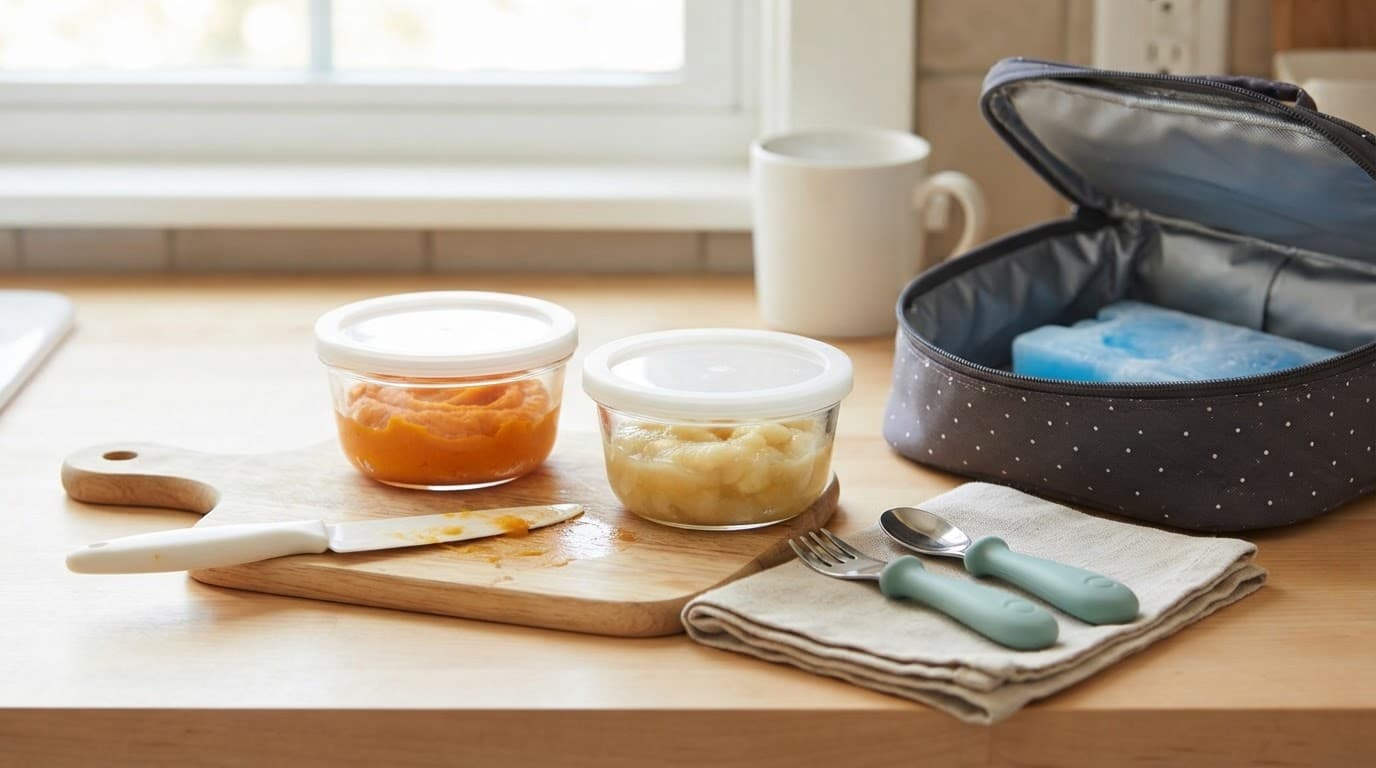
Refrigerate small portions promptly
Wash your hands, bowls, and utensils before preparing food. Transfer unused puree into a clean, covered container and refrigerate it within two hours. If the temperature is above 90 degrees Fahrenheit, refrigerate it within one hour.
Use homemade baby food within one to two days when stored in a refrigerator at 40 degrees Fahrenheit or below. If you freeze it, use small portions and write the preparation date on each container. Thaw food in the refrigerator or warm it safely, then stir it well and check the temperature.
Only heat the amount your baby is likely to eat. Once a spoon has touched your baby's mouth, don't return the leftovers to the storage container.
Pack food in an insulated bag
For an outing, place chilled baby food in a clean, sealed container inside an insulated lunch bag with a cold pack. Keep the bag closed until mealtime, and don't leave it in a hot car.
Ripe banana or avocado can be mashed shortly before eating. Once cut and mashed, treat them as perishable foods rather than leaving them warm for several hours.
Bring a separate spoon and serving bowl when possible. That setup helps keep the main container clean, so untouched food remains available within its safe storage window.
Make Fresh Baby Food While Traveling
You don't need a complete kitchen to offer a simple meal. Pack a ripe banana, avocado, or a small container of properly chilled cooked vegetables, then prepare a portion when your baby is ready to eat.
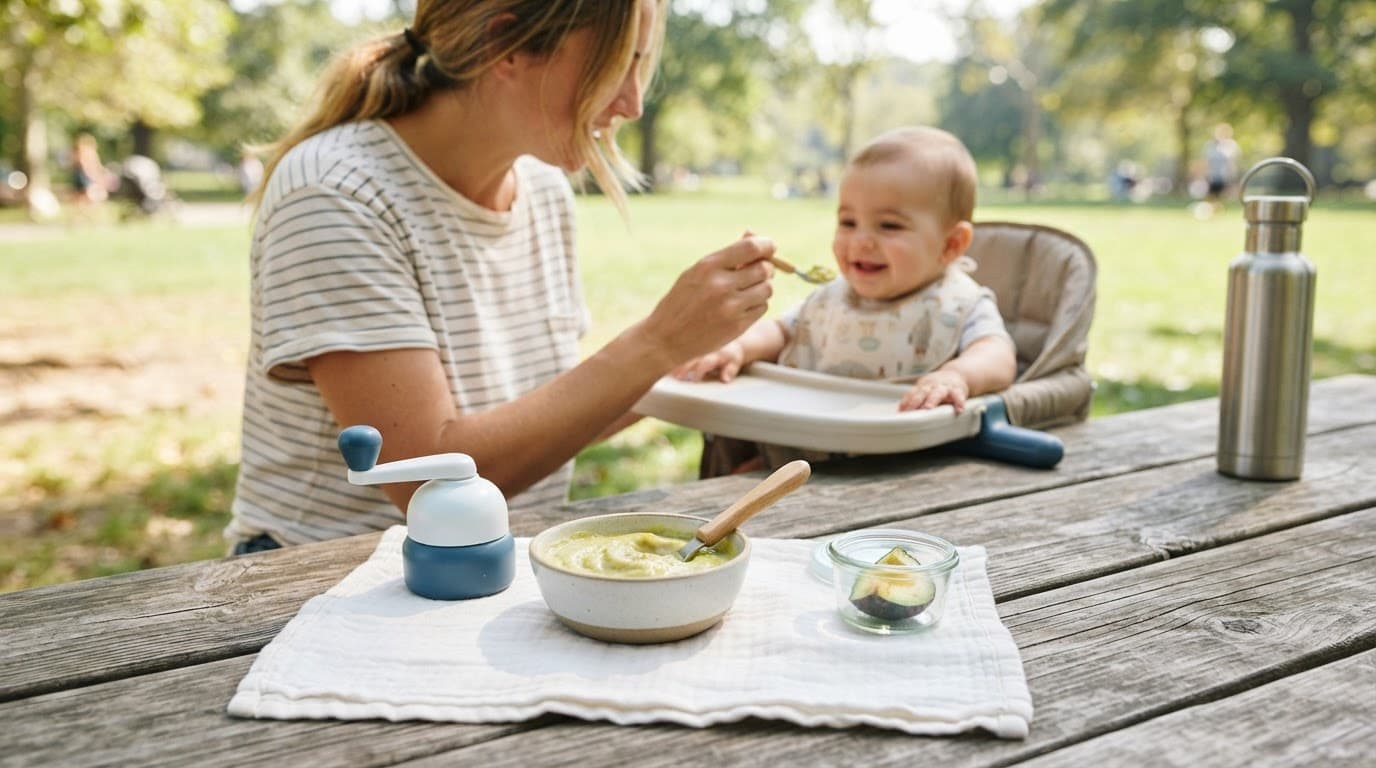
Keep the travel setup small
A fork works for soft fruit, but a hand-powered baby food maker takes up less room than a countertop blender. The Wonder Wean is designed for on-the-go mashing, so you can prepare a fresh portion at a park, restaurant, hotel, or while visiting family.
Choose ingredients that travel well and don't need complicated preparation. A whole banana or avocado can stay intact until needed, while cooked vegetables should travel in a chilled container.
If you want a compact option for fresh feeding away from home, you can Buy Now and add the Wonder Wean to your diaper bag or travel kit.
Clean before and after feeding
Carry hand sanitizer for situations where soap and water aren't available, but wash your hands with soap and water before food preparation whenever possible. Clean the tool, spoon, and bowl after use, and keep used utensils away from untouched food.
At a restaurant, ask for plain, fully cooked foods without sauces when they suit your baby's stage. Check every bite for hard skins, bones, seeds, and chunks before mashing.
A Simple Baby Food Routine for Busy Days
Fresh baby food can be part of a normal day, even when the schedule changes. Cook a batch of vegetables at home, portion it into clean containers, and keep one serving chilled for the next outing.
For food prepared right before eating, start with ripe produce or fully cooked ingredients. Mash with a fork or use a hand-powered tool, then check the temperature and texture before serving.
The routine becomes easier when you keep the same small set of supplies together: a clean container, spoon, bib, hand wipes, cold pack, and feeding tool. That reduces last-minute decisions without turning every meal into a project.
Conclusion
Making baby food without a blender or steamer is practical when you choose soft ingredients and cook firm produce until it mashes easily. A fork, spoon, sieve, or hand-powered tool can create the texture your baby needs without a large appliance.
Keep portions small, match textures to your baby's feeding stage, and supervise every meal while your baby sits upright. Store prepared food in clean containers, keep it cold during travel, and discard food that has stayed out too long or touched your baby's mouth.
The Wonder Wean can help you offer healthy foods while you're on the go by mashing ripe or properly cooked ingredients when your baby is ready to eat. Pack age-appropriate foods, check for soft textures and choking hazards, and use chilled storage for anything prepared ahead. With those simple habits, fresh feeding can fit into park trips, errands, restaurants, and travel.