

How to Build a Pantry for Whole-Food Baby Meals
A well-stocked pantry can make baby meals feel less like another task on your list. When a few familiar ingredients are always nearby, whole-food baby meals can come together from ordinary groceries instead of relying on a last-minute pouch or jar.
You don't need a separate cabinet filled with specialty products. Start with foods your family already enjoys, then prepare them in a texture that fits your baby's current feeding skills.
The goal is a small, flexible system that supports fresh meals at home, during errands, and on travel days.
Key Takeaways for a Baby-Friendly Pantry
- Keep a short list of shelf-stable, frozen, and fresh foods that your baby already knows and tolerates.
- Buy ingredients that can work in more than one meal, such as oats, lentils, sweet potatoes, bananas, and frozen vegetables.
- Store foods in small portions so you can serve one meal without warming or opening everything else.
- Match every food's texture, shape, and thickness to your baby's present skills.
- Keep safety separate from convenience. Chilling, clean utensils, supervision, and careful storage still matter when meals are simple.
Start Your Whole-Food Baby Meals Pantry With a Simple System
A useful pantry begins with fewer ingredients than most parents expect. Pick foods that hold well, work in small portions, and fit naturally into your household meals.
Choose foods your baby already knows
A new pantry isn't the place to introduce a pile of unfamiliar ingredients. Start with foods your baby has eaten comfortably at home, then add variety over time.
For example, if your baby already eats mashed banana, oatmeal, cooked sweet potato, and lentils, those foods can become the base of many meals. You can serve them separately or combine small portions when the texture works for your baby.
Keep a short note on your phone with meals your child has tolerated. It makes grocery shopping easier when you're tired or planning around a busy week.
Give each food a clear home
Separate dry staples from chilled and frozen foods. This makes it easier to see what needs using first and what can wait.
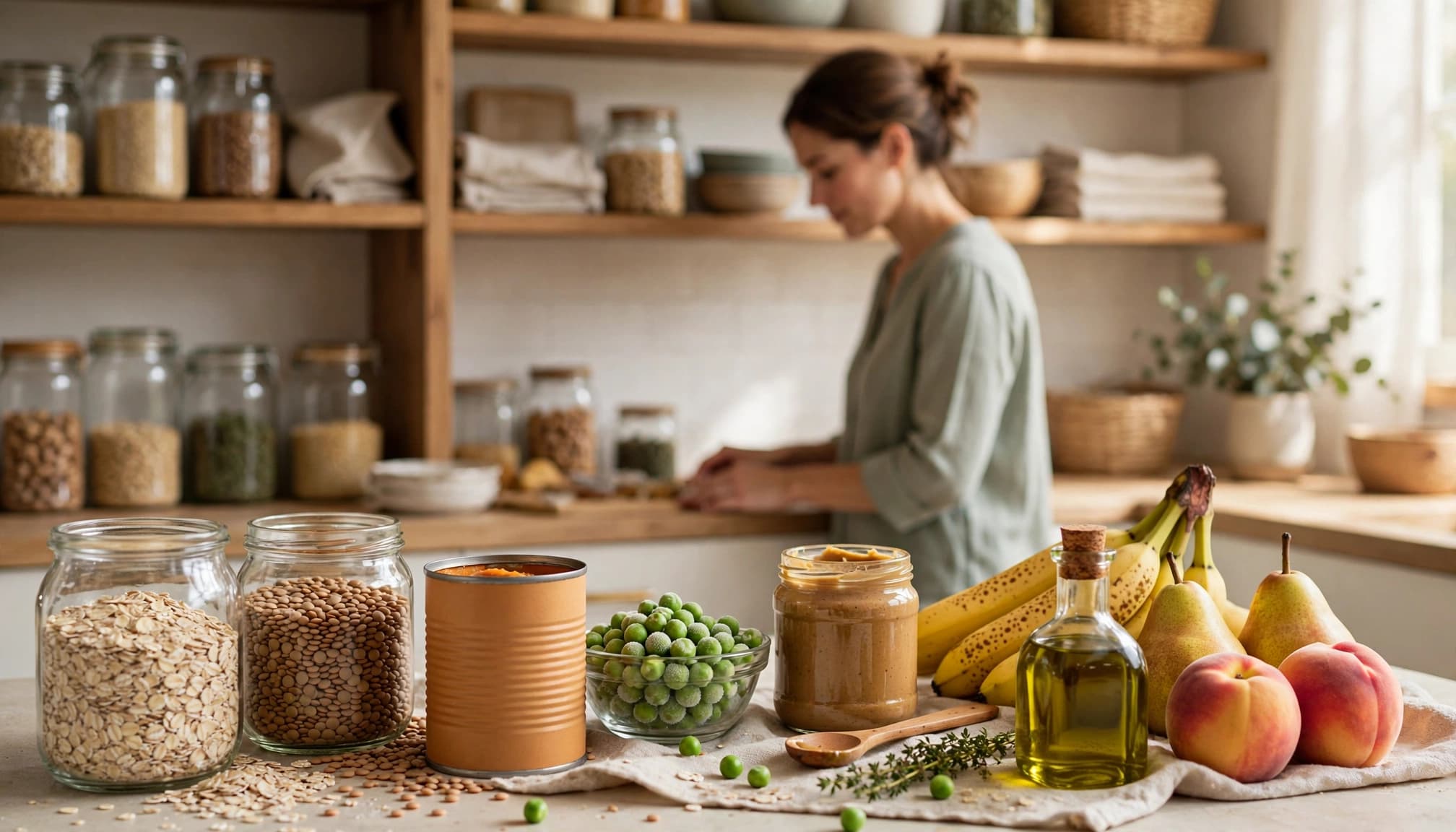
Use clear containers for pantry foods such as oats, rice, lentils, and beans. Keep labels simple, and rotate older packages forward before opening new ones. In the refrigerator, place baby meal ingredients together in one easy-to-reach bin so cooked vegetables and small portions don't disappear behind leftovers.
Stock Pantry Staples That Work Across Meals
The strongest whole-food baby meals come from ingredients you can use repeatedly without getting bored. A pantry should support simple combinations, not force you into elaborate recipes.
Keep grains, beans, and lentils on hand
Plain oats are easy to cook in small batches and adjust to a familiar consistency. Rice, quinoa, lentils, and beans can also become part of a baby meal after thorough cooking and preparation suited to your child's stage.
Cooked lentils can be mashed with soft vegetables. Oatmeal can be served with mashed fruit. Beans may work in a thicker mash for babies who already manage that texture.
Choose plain products without added sweeteners, salty flavor packets, or sauces. If you use canned beans, check the ingredients and rinse them well before preparing a portion.
Add flexible fruits and vegetables
Bananas, avocados, sweet potatoes, pears, apples, carrots, peas, and pumpkin give you options across the week. Fresh produce is helpful, while frozen vegetables can reduce waste when plans change.
Keep whole bananas and avocados intact until mealtime when possible. They travel better that way, and you can mash only what your baby is likely to eat. Frozen peas, carrots, spinach, and squash are useful when the produce drawer is empty.
Firm produce needs cooking until it becomes soft enough for your baby's established skills. Check for skins, seeds, tough fibers, and hard pieces before serving.
Include simple meal additions
A small selection of plain yogurt, eggs, olive oil, nut or seed ingredients, and tender cooked meat can widen your options when they fit your family's feeding plan. Store these foods according to their package instructions and prepare only what you need.
Introduce common allergens thoughtfully and at home when you can observe your baby. Your pediatrician can help if your child has eczema, a previous reaction, premature birth, swallowing concerns, or another feeding issue.
A small pantry works best when every ingredient can appear in more than one meal. One bag of oats or lentils should solve several meals, not create another recipe to manage.
Use Fresh and Frozen Foods Before They Go to Waste
Whole-food feeding doesn't require perfect meal prep. It works better when you use what is ripe, cooked, and available.
Fresh foods should have a place in your weekly routine. Buy a realistic amount of bananas, avocados, pears, and vegetables, then choose frozen versions for foods your family doesn't finish quickly. Frozen peas or squash can wait for the day you need them.
Cook extra plain vegetables, lentils, beans, or tender meat when you make family meals. Before seasoning the rest of the dish, set aside a portion that can be prepared for your baby. Remove bones, hard pieces, heavy sauces, and excess salt before you mash or chop it.
For a simple combination, you might pair mashed sweet potato with lentils, oatmeal with soft pear, or avocado with a familiar cooked food. Keep the ingredient list short when you're learning what textures and flavors your baby enjoys.
Make Homemade Baby Meals Easier to Prepare
The best system reduces the number of choices you make when your baby is hungry. A few small routines can keep preparation manageable.
Batch-cook only the basics
Choose one or two ingredients to cook each week, rather than making a freezer full of mixed meals. A pot of lentils, a tray of roasted sweet potatoes, or steamed vegetables can cover several servings.
Cool and store prepared food promptly in clean containers. Small portions are easier to thaw, pack, and serve than one large container. They also help you avoid repeatedly warming food that may not get eaten.
If you freeze untouched portions, use a container that keeps them organized and label it with the food and date. Follow food-safety guidance for the ingredients you use and the way you store them.
Mash close to mealtime when you can
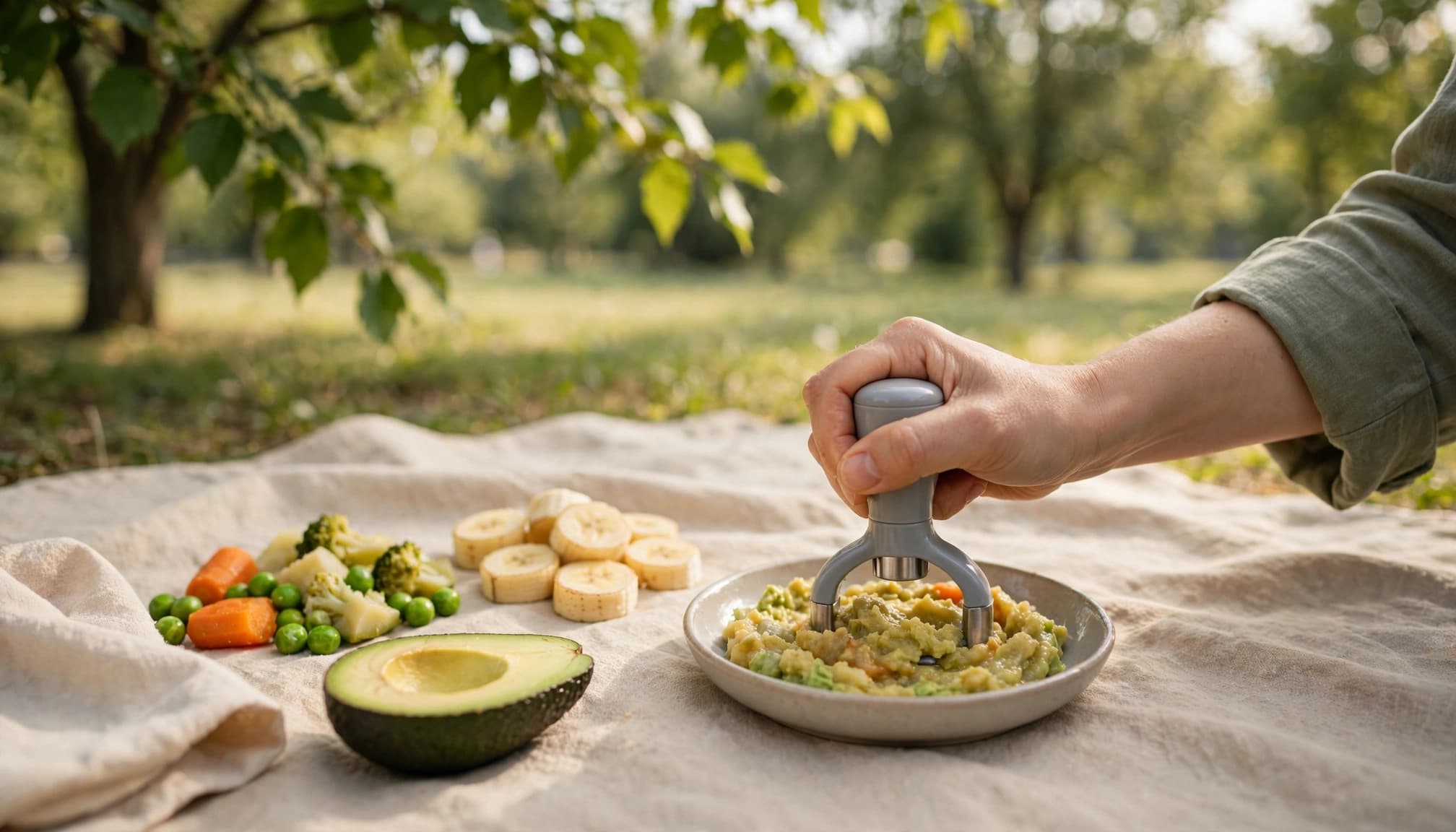
Some meals need little advance work. A ripe banana, avocado, or properly cooked vegetable can be mashed when your baby is ready, which keeps the portion small and familiar.
Use a fork for soft foods at home. For firmer cooked foods, mash or blend until the texture matches your baby's current abilities. Add a little water, cooking liquid, breast milk, or prepared formula only when needed to loosen a thick mash.
Avoid turning every meal into a thin puree. As your baby gains experience, discuss texture changes with your pediatrician or feeding specialist and move gradually at a pace that suits your child.
Keep Texture, Allergens, and Storage Top of Mind
A whole-food pantry gives you choices, but it doesn't replace feeding safety. Your baby needs foods prepared for their development, not simply foods that happen to be in the kitchen.
Match every meal to feeding skills
Many babies begin solids when they are developmentally ready, often around 6 months. Head and neck control, the ability to sit upright with support, and the ability to bring food toward the mouth all matter.
Early eaters may need smooth, thick mashes. As skills grow, some babies manage thicker foods with soft lumps or tender pieces that squash easily. Follow your baby's cues and the guidance of their healthcare professional.
Hard, round, sticky, or tough foods need special care. Whole grapes, popcorn, whole nuts, raw carrot pieces, raw apple chunks, hard candy, and thick globs of nut butter can create choking hazards. Stay within arm's reach while your baby eats, and keep meals seated upright.
Separate allergy planning from daily convenience
Introduce new allergens one at a time in a setting where you can watch your baby. Avoid testing several new foods during a road trip, restaurant visit, or hectic family event.
Cook eggs, fish, and shellfish thoroughly when they are part of your baby's diet. Check fish carefully for bones. Honey should wait until after 12 months because of infant botulism risk.
Keep prepared food cold when it needs refrigeration. Serve a small amount in a separate bowl, and discard leftovers that have touched your baby's mouth rather than returning them to the main container. For exact storage times and handling rules, follow guidance from your pediatrician and local public-health authorities.
Pack a Small Kit for Fresh Food Away From Home
A pantry supports travel better when you pack only the next meal and one practical backup. Overpacking creates more food to chill, clean, and carry.
Choose foods that travel with less fuss
Whole bananas and avocados can stay intact until your baby is ready to eat. For chilled options, pack small containers of properly stored cooked vegetables, oatmeal, beans, or familiar leftovers in an insulated bag with cold packs.
At a restaurant or family gathering, look for plain foods that fit your baby's established diet. Soft avocado, a baked potato, unsalted cooked vegetables, plain rice, beans, or fully cooked egg may be workable options after you check the texture and ingredients.
Bring foods your child already eats well. Travel days are easier when you aren't also trying to identify a reaction to something new.
Keep the feeding setup clean and compact
A small lidded bowl, two spoons, a bib, cloths, wipes, and a sealable bag for used items cover most outings. Keep the spare spoon separate so a dropped utensil doesn't end the meal.
Prepare a serving away from the main container whenever possible. That helps protect untouched food from crumbs and saliva. Feed only when the car is parked, and never offer food while your baby is reclined or unattended.
Frequently Asked Questions
What belongs in a whole-food baby pantry?
Start with a manageable mix of plain oats, rice, lentils, beans, frozen vegetables, sweet potatoes, bananas, avocados, and fruits your baby already handles. Add chilled foods, such as yogurt or eggs, only when they fit your baby's feeding plan and can be stored properly.
The right list depends on your baby's age, feeding skills, allergies, and your family's usual meals. You don't need every item at once.
Can I use food from our family dinner?
You can often set aside a suitable portion before adding salt, sauces, spicy seasoning, bones, or hard pieces. Cook food until it reaches a texture your baby can manage, then mash, shred, or cut it appropriately.
Check each ingredient carefully. Restaurant meals and prepared family dishes may contain more sodium, sugar, or allergens than you expect.
How can I make fresh meals during an outing?
Pack ripe whole fruit or properly chilled cooked food in small portions. Bring a bowl, spoon, wipes, and a way to keep perishables cold. When possible, mash food shortly before your baby eats rather than packing one large mixed container.
Keep your baby seated upright and supervised. If a food's safety or texture is uncertain, choose a familiar option that you know suits your child.
Build a Pantry That Fits Your Real Life
A practical pantry for whole-food baby meals is built on ordinary ingredients, small portions, and realistic routines. Keep familiar foods within reach, use fresh and frozen options before they spoil, and prepare each meal for your baby's current stage.
The Wonder Wean can help you offer healthy foods when you're away from home. Its compact, hand-powered design lets you mash ripe banana, avocado, or properly cooked ingredients at a park, restaurant, or during travel without electricity. Pack age-appropriate foods, watch for choking hazards, introduce allergens thoughtfully, keep perishable foods cold, and use clean tools for every meal. When a portable mashing tool fits your routine, you can Buy Now and keep fresh baby meals within reach.