

Vitamin D for Babies: Foods and Simple Serving Ideas
A homemade meal can be nourishing without covering every nutrient your baby needs. When you're choosing foods that provide vitamin D for babies, food alone may not be enough, even with a varied menu.
You can still offer simple family foods while keeping your baby's vitamin D plan separate from mealtime expectations. Ask your pediatrician about supplementation and individual needs, then choose foods and textures that fit your baby's feeding stage.
Start with a few suitable ingredients, rather than trying to build a perfect plate.
Key Takeaways
- Food may not provide all the vitamin D your baby needs, so discuss an individual plan with your pediatrician.
- Choose foods using reliable nutrition information, not assumptions about fish, dairy, or baby-food packaging.
- Prepare small portions with familiar textures, and introduce unfamiliar ingredients when you can watch your baby.
- Keep perishable foods chilled during outings, supervise every meal, and discard leftovers from your baby's serving bowl.
Understanding Vitamin D for Babies Before Planning Meals
Vitamin D supports calcium absorption and bone health. However, a list of foods doesn't tell you whether your baby's overall intake meets their needs.
Your baby's milk feeds, medical history, and feeding progress all matter. Solids also take time to establish, so the amount your baby eats can change considerably between meals.
Ask about your baby's individual needs
Discuss vitamin D at your baby's next appointment, or sooner if you have concerns. Tell the pediatrician how your baby feeds, what solids they currently eat, and whether you're already giving any supplements.
Ask whether supplementation is appropriate and how to use any recommended product. Follow those instructions rather than estimating a dose or switching products based on another family's routine.
If your baby was born prematurely, has a medical condition, or struggles with feeding, ask for guidance that accounts for those circumstances.
Keep food expectations realistic
A few tastes of a new food are part of learning to eat. They shouldn't become a daily nutrient target that pressures you or your baby.
Continue your baby's usual milk feeds and follow their feeding plan. Offer solids without pushing another spoonful when they turn away or close their mouth.
A food's listed nutrient content describes a reference serving, not the amount your baby necessarily eats.
That distinction matters when you're comparing nutrition labels with a tiny, partly eaten portion.
Which Foods Deserve a Place on Your Shopping List?
The National Institutes of Health Office of Dietary Supplements identifies fatty fish, including trout, among foods that naturally contain vitamin D. Sardines are another option, although preparation, bones, and sodium need attention before serving them to a baby.
Other family foods, such as eggs and yogurt, need a closer look before you count them toward a vitamin D plan. Check reliable nutrition information for the specific food or product.
Use this shopping guide alongside your baby's feeding advice.
| Food to consider | What to check | Simple serving approach |
|---|---|---|
| Trout | Freshness, bones, and suitability for your baby | Cook thoroughly, remove bones, and mash with a familiar vegetable |
| Sardines | Sodium, ingredients, and any bones | Prepare a small, carefully inspected portion in a familiar mash |
| Salmon | Nutrition information, bones, and preparation | Mash fully cooked fish with soft potato or sweet potato |
| Eggs | Allergy history and full cooking | Mash cooked egg into a familiar soft food |
| Plain yogurt | Pasteurization, ingredients, and vitamin D information | Offer alone or combine with a familiar fruit mash |
The main shopping habit is checking the actual food, rather than assuming every product in a category provides the same nutrients.
If a label doesn't list vitamin D, don't guess its contribution. Ask a registered dietitian or your pediatrician which information to use.
Make Fish Easier to Serve Without Hiding the Ingredients
Fish works best when you start with a plain portion and inspect it before mashing. Cooking or blending doesn't remove bones, so check carefully with clean fingers and a fork.
For trout or salmon, remove the skin and all bones you find. Then break up the thoroughly cooked flesh and combine a small amount with a soft, familiar ingredient.
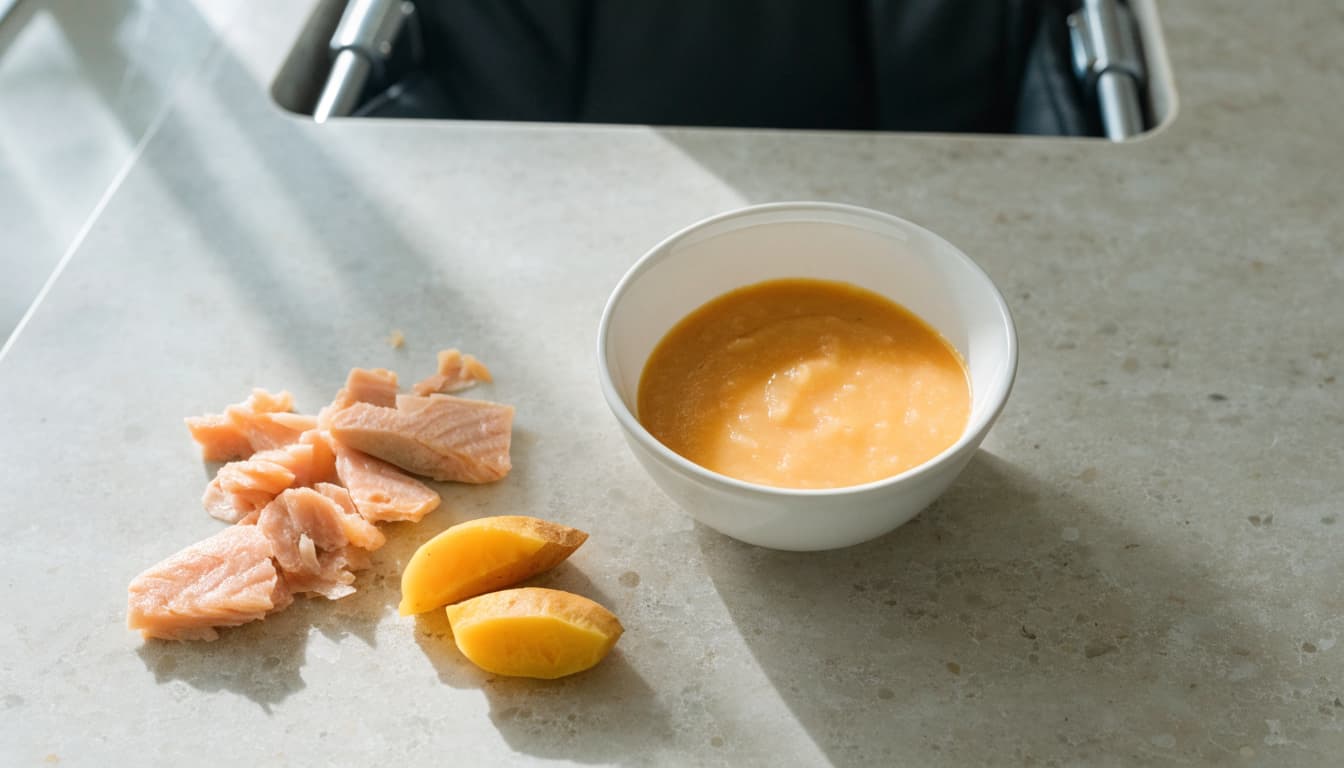
Sweet potato, plain potato, or another vegetable your baby already eats can make a useful pairing. Adjust the mixture to the texture your baby currently manages.
Keep the first combination simple. If fish is unfamiliar, avoid adding several other new ingredients to the same meal.
For canned fish, inspect the ingredient list and compare sodium information. Don't assume that every canned product is ready to offer straight from the container.
Set aside your baby's portion before adding salty sauces or seasoning to the family meal. Offer a small serving first, then add more if your baby wants it.
Serve Eggs and Yogurt as Simple Family Foods
Eggs and yogurt can fit into a varied feeding routine when they're suitable for your baby. Still, check the food's nutrition information before treating either as a dependable vitamin D contribution.
Prepare fully cooked egg in a familiar texture
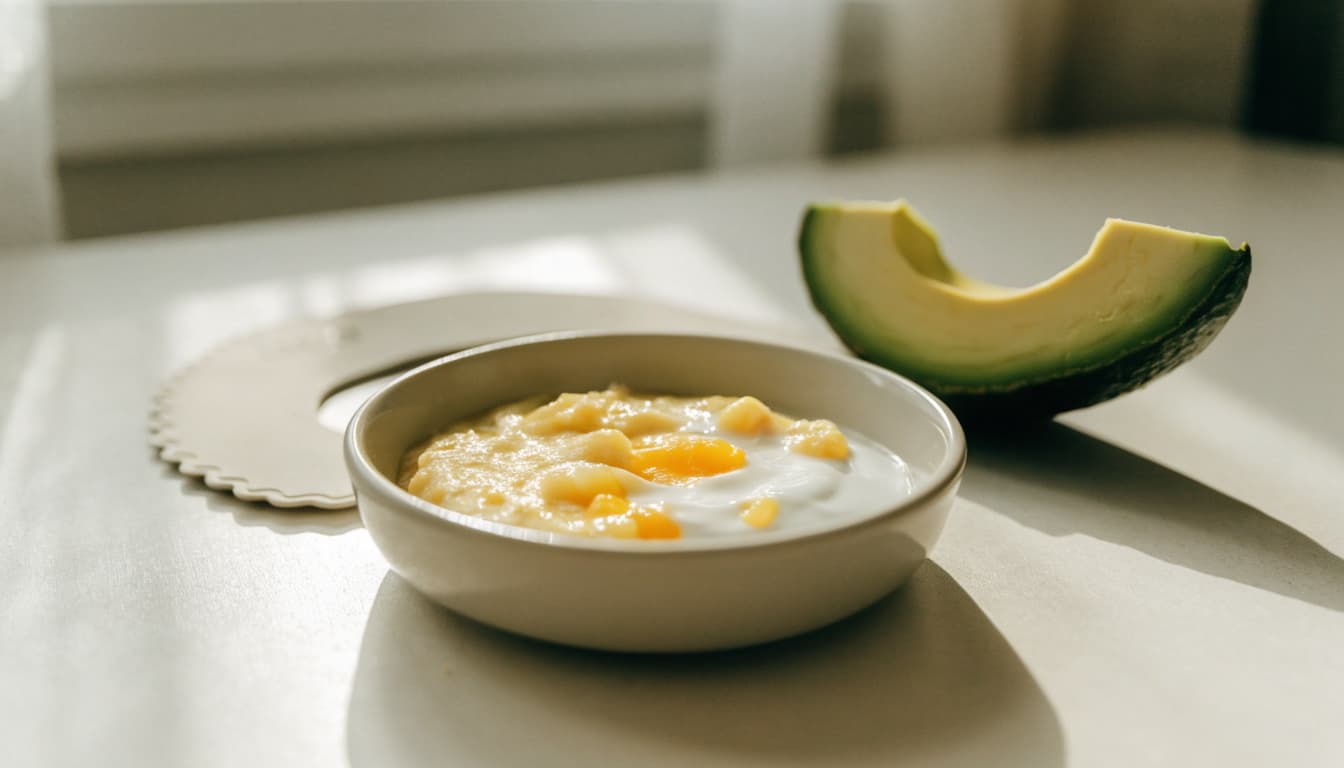
Cook eggs fully before preparing your baby's portion. Then mash the cooked egg with a familiar soft ingredient, such as avocado or cooked potato.
If the mixture feels dry or forms dense clumps, adjust it with a little suitable liquid according to your usual feeding guidance. Check the finished texture before serving.
Start with a small portion, especially when egg is new. Choose a calm time at home when you can observe your baby, rather than introducing it during a road trip.
If your baby has a known food allergy or you have concerns about introducing egg, ask your pediatrician for a plan.
Read the yogurt label before choosing
Choose pasteurized yogurt and review the ingredients. Plain options let you add a familiar fruit yourself without relying on a sweetened mixture.
Compare vitamin D information on the specific containers you're considering. Packaging claims such as "organic" or "made for babies" don't answer every nutrition question.
Serve yogurt from a separate bowl rather than feeding directly from the main container. That keeps the untouched portion separate from your baby's spoon.
If dairy is unfamiliar or your baby has a milk allergy, follow their clinician's advice before offering it.
Match Preparation to Your Baby's Skills
The right food still needs suitable preparation. Your baby's current feeding skills, posture, and supervision matter more than whether a recipe looks smooth in a photograph.
Use familiar textures and watch the meal
Prepare food in the texture your baby already handles comfortably. If you're unsure whether to offer puree, mash, or pieces, discuss feeding readiness with your pediatrician.
A blender or masher doesn't automatically make every ingredient safe. Remove bones, hard pieces, and other hazards before processing the food.
Seat your baby upright and remain close throughout the meal. During car travel, wait until you're safely parked before offering food.
Also let hot food cool, stir it thoroughly, and check the temperature before serving. Avoid rushing a meal because an outing is running late.
Separate untouched food from serving leftovers
Wash your hands and use clean preparation tools. Spoon a small amount into your baby's bowl, keeping the rest in a separate covered container.
Discard food left in the serving bowl once your baby's spoon has touched their mouth. Don't stir it back into the main batch or return it to the cooler for another meal.
Refrigerate prepared food promptly. Keep chilled foods at 40°F (4°C) or colder, and discard perishables left at room temperature for more than two hours.
If you don't know how long food has been warm, choose a fresh alternative. Smell and appearance can't reliably tell you whether it's safe.
Keep Fresh Feeding Practical Away From Home
Vitamin D for babies shouldn't depend on creating an elaborate meal during every outing. Keep your pediatrician's plan consistent, and make food preparation manageable.
Pack a familiar food, a clean bowl and spoon, and an insulated bag with ice packs for anything perishable. Smaller containers help you serve one portion without repeatedly warming the entire batch.
For fish, egg, or yogurt, reliable cold storage matters. Keep them chilled until serving rather than carrying them loose in a diaper bag.
Meanwhile, a whole banana or avocado can provide a familiar food to prepare at your destination. These are practical meal components, but don't assume they replace the foods or supplementation discussed with your pediatrician.
At a restaurant, ask about ingredients and preparation before sharing food. Plain cooked vegetables or a baked potato may be easier to adapt than a heavily seasoned dish.
Choose foods your baby has already eaten when you're away from home. Travel days are easier when meals use familiar ingredients and textures.
Frequently Asked Questions
Can homemade food replace vitamin D supplementation?
Don't replace a recommended supplement with homemade meals without speaking to your pediatrician. Food may not cover your baby's needs, and the amount eaten can be unpredictable.
Tell the clinician what your baby eats and ask whether their vitamin D plan needs any adjustment.
Does every yogurt contain the same amount of vitamin D?
Check the nutrition information for the exact product rather than treating all yogurt as interchangeable. Review the serving size alongside the nutrient listing.
If vitamin D information isn't available, don't assign a value yourself. Ask your pediatrician or a registered dietitian how that food fits into your baby's diet.
What if my baby refuses fish or egg?
Offer food without pressure and try again another day in a familiar texture. You can keep meals varied without forcing a particular ingredient.
If refusal involves distress, repeated difficulty swallowing, or an unusually narrow range of accepted foods, discuss it with your pediatrician. Keep following the vitamin D plan you've agreed on while you work through feeding concerns.
Keep Meals Simple and Vitamin D Guidance Individual
Fresh family foods can make feeding practical and enjoyable. However, your baby's individual needs should guide vitamin D decisions, rather than assumptions about a homemade menu.
The Wonder Wean helps you offer healthy foods even on the go. Its compact, hand-powered pocket blender lets you mash suitable soft ingredients without electricity at a restaurant, park, or family visit. Keep ingredients safely stored and check the finished texture before feeding. If that fits your routine, Buy Now and keep a simple fresh-food tool in your feeding kit.