

Iodine-Rich Foods for Babies: Safe Serving Ideas
Your baby's iodine needs can fit into ordinary meals, without salty foods or complicated recipes. Iodine-rich foods for babies include familiar choices such as eggs, plain yogurt, and carefully prepared fish.
These foods support a varied diet, while breast milk or infant formula continues to provide iodine throughout infancy. The starting point is choosing foods that suit your baby's readiness, then preparing them in a safe texture.
Key Takeaways for Your Baby's Menu
- Begin complementary foods around 6 months, when your baby shows readiness, while continuing breast milk or formula.
- Offer fully cooked egg, plain pasteurized yogurt, and thoroughly cooked, deboned fish in textures your baby can manage.
- Don't use added salt, kelp, or iodine supplements to increase your baby's intake without advice from a healthcare professional.
Small, repeated servings are enough to introduce these foods. Your baby doesn't need to finish a bowl or eat every iodine-containing food each day.
How Much Iodine Does a Baby Need?
Iodine helps the thyroid make hormones that support growth and brain development. However, knowing the intake guidance shouldn't turn feeding into a daily calculation.
Understanding the infant intake figures
The NIH Office of Dietary Supplements lists an Adequate Intake of 110 micrograms daily from birth through 6 months. For babies ages 7 through 12 months, the figure is 130 micrograms daily.
These are Adequate Intakes, or AIs, rather than Recommended Dietary Allowances. They describe total daily intake, including milk feeds, not an amount your baby must get from solids.
Iodine levels also vary between foods. Trying to calculate an exact amount from a few spoonfuls of yogurt or fish can create unnecessary worry.
Milk feeds remain part of the picture
Both breast milk and infant formula provide iodine. Breast-milk iodine levels depend partly on the mother's iodine intake and status.
Continue your baby's usual milk feeds as you introduce food. Don't replace them with yogurt, cheese, or cow's milk as a drink before 12 months.
If you breastfeed and avoid dairy, eggs, seafood, and other iodine sources, discuss your diet with your healthcare professional. Babies with restricted diets or feeding difficulties may also need individual guidance rather than a supplement chosen at home.
Familiar Iodine-Rich Foods for Babies
Eggs and dairy foods can join your baby's menu once they're ready for solids. Choose simple ingredients, and introduce each new allergenic food separately before combining it with other new foods.
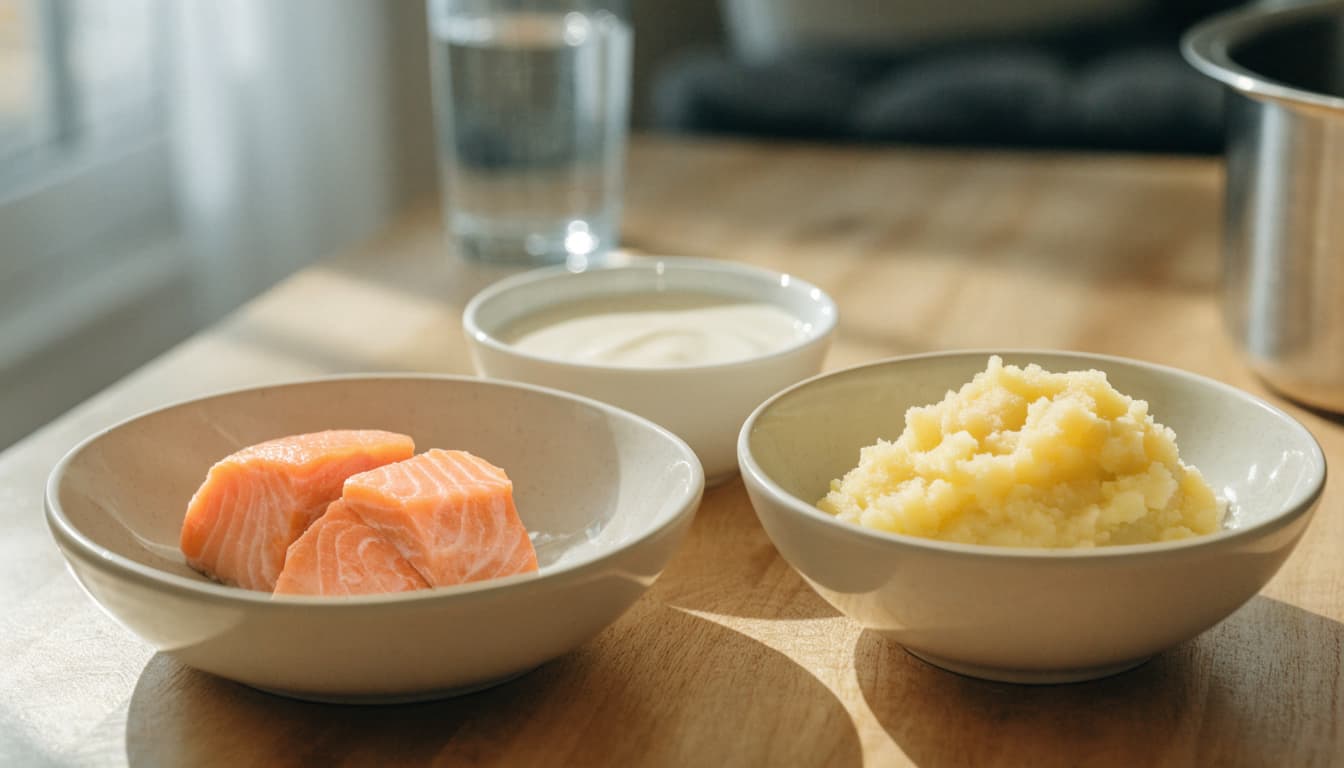
Fully cooked eggs
Eggs provide iodine alongside protein and other nutrients. Cook both the white and yolk thoroughly, then adjust the texture to your baby's skills.
For spoon-feeding, mash hard-boiled egg with a little water, breast milk, or correctly prepared formula. Add enough liquid to prevent a dry, crumbly mixture.
Soft scrambled egg can work too, provided it's fully cooked and broken into manageable pieces. A well-cooked, soft omelet can become strips for a baby who manages graspable foods.
Serve egg without added salt. Once your baby has tolerated it, you can combine it with familiar vegetables such as mashed sweet potato.
Plain yogurt and suitable cheese
Plain, full-fat, pasteurized yogurt is a convenient iodine-containing food. Offer it alone or stir in mashed banana, pear, or another fruit your baby already eats.
Choose unsweetened yogurt rather than flavored varieties. Honey isn't a suitable sweetener before 12 months, even when mixed into food.
Pasteurized cheese can also provide iodine, but sodium levels vary. Offer modest amounts in a safe form, such as finely grated cheese mixed into soft vegetables.
Avoid large cheese cubes or firm chunks. Yogurt is often the simpler choice when you want a smooth texture without extra preparation.
Choosing Fish and Preparing It Safely
Fish can contribute iodine, although the amount differs by species and other factors. Choose fish for its overall nutritional value, while paying attention to mercury, cooking, and bones.
Pick lower-mercury options
The FDA and EPA fish guidance lists salmon, pollock, trout, tilapia, and sardines among its "Best Choices."
Avoid high-mercury fish such as shark, swordfish, king mackerel, and bigeye tuna. For locally caught fish, check local advisories before sharing it with your baby.
Don't apply toddler portion guidance to infants. The FDA's approximately 1-ounce serving for ages 1 to 3 years isn't an infant serving recommendation.
Instead, begin with a small amount and follow your baby's appetite. Choose plain fish rather than smoked, heavily salted, or battered versions.
Cook, check, and soften every portion
Cook fish thoroughly before serving. Then remove skin and check carefully for bones, including small pin bones that may remain in a fillet.
Flake the fish and check it again before mashing. For a baby new to solids, combine it with a familiar vegetable puree and enough liquid for a moist texture.
For more experienced eaters, offer soft, moist flakes suited to their skills. Processing food doesn't replace checking for bones beforehand.
Simple Meals Without a Separate Recipe
Once your baby has tolerated each ingredient, iodine-rich foods for babies can become part of ordinary breakfasts and family dinners. Set aside their portion before adding salt, sauces, or strong seasonings.
These combinations keep preparation manageable.
| Food | Simple serving idea | Safety detail |
|---|---|---|
| Plain yogurt | Stir into mashed pear or banana. | Use pasteurized, unsweetened yogurt without honey. |
| Cooked egg | Mash with avocado and a little liquid. | Cook the egg fully and keep the mixture moist. |
| Salmon or pollock | Mix deboned flakes into mashed sweet potato. | Check carefully for bones before mashing. |
| Pasteurized cheese | Stir a little finely grated cheese into soft broccoli. | Avoid firm chunks and choose a lower-sodium option. |
Rotate these choices rather than trying to offer them all every day. Iodine is one part of a balanced menu, so keep offering iron-rich foods, vegetables, fruit, and other suitable family foods too.
You can prepare the vegetable base for everyone, then adapt a small portion for your baby. This avoids cooking an entirely separate meal.
If a mash becomes dense or sticky, loosen it with an appropriate liquid. Potato, rice, and pasta can form gummy clumps, so check the texture before each serving.
Offer a little first and refill with a clean serving spoon if your baby wants more. Turning away or closing their mouth usually means they're finished.
Match Feeding Safety to Your Baby's Skills
Age helps guide feeding, but posture and swallowing skills matter too. Around 6 months, look for steady head control, sitting upright with support, and swallowing food rather than pushing it out.
Make texture and seating priorities
Begin with smooth purees or soft mashes if those suit your baby. As their skills develop, introduce thicker mashes and soft pieces they can handle.
Food should be easy to squash between your fingers. Remove bones, tough skin, and hard fragments, and avoid dry egg pieces or firm chunks of fish or cheese.
Keep your baby upright in a secure feeding seat, and stay close throughout the meal. Don't feed them while reclining in a stroller or car seat, or during a moving-car journey.
Gagging can happen during learning, but choking can be silent. Caregivers should learn infant choking first aid.
Introduce common allergens with care
Egg, milk, and fish are common allergens. Offer one new allergenic food at a time, in a small amount, when your baby is well and you can watch them afterward.
Once tolerated, keep the food in their regular rotation. Save outings for foods your baby has already eaten safely.
Speak with your pediatrician before introduction if your baby has severe eczema, a known food allergy, or a previous reaction.
Seek emergency help for breathing difficulty, swelling of the lips or tongue, collapse, or repeated vomiting with other signs of a severe reaction. Stop feeding the suspected food.
Why Seaweed, Salt, and Supplements Need Caution
Seaweed can contain substantial iodine, but its iodine content varies widely. Kelp powders and concentrated seaweed products aren't predictable ways to meet an infant's needs.
Avoid using them as an iodine booster. A healthcare professional should guide any supplement decision, including iodine drops.
Added salt isn't a feeding strategy for babies, even when it's iodized. Choose familiar foods instead, and avoid salty stock cubes, cured meats, smoked fish, and seasoned sauces.
At restaurants, ask whether fish or vegetables were brined, marinated, or cooked in salted broth. Food can contain plenty of sodium without tasting particularly salty to an adult.
Don't assume that every plant-based yogurt provides iodine. Ingredients and fortification differ, so check the label and discuss dairy-free feeding with your pediatrician or a registered dietitian.
If several food groups are missing from your baby's diet, ask for a review of the whole menu rather than focusing only on iodine.
Keep Fresh Baby Meals Safe Away From Home
An outing doesn't need to interrupt your baby's food routine. Pack familiar ingredients, a clean bowl and spoon, and an insulated bag with ice packs for perishable foods.
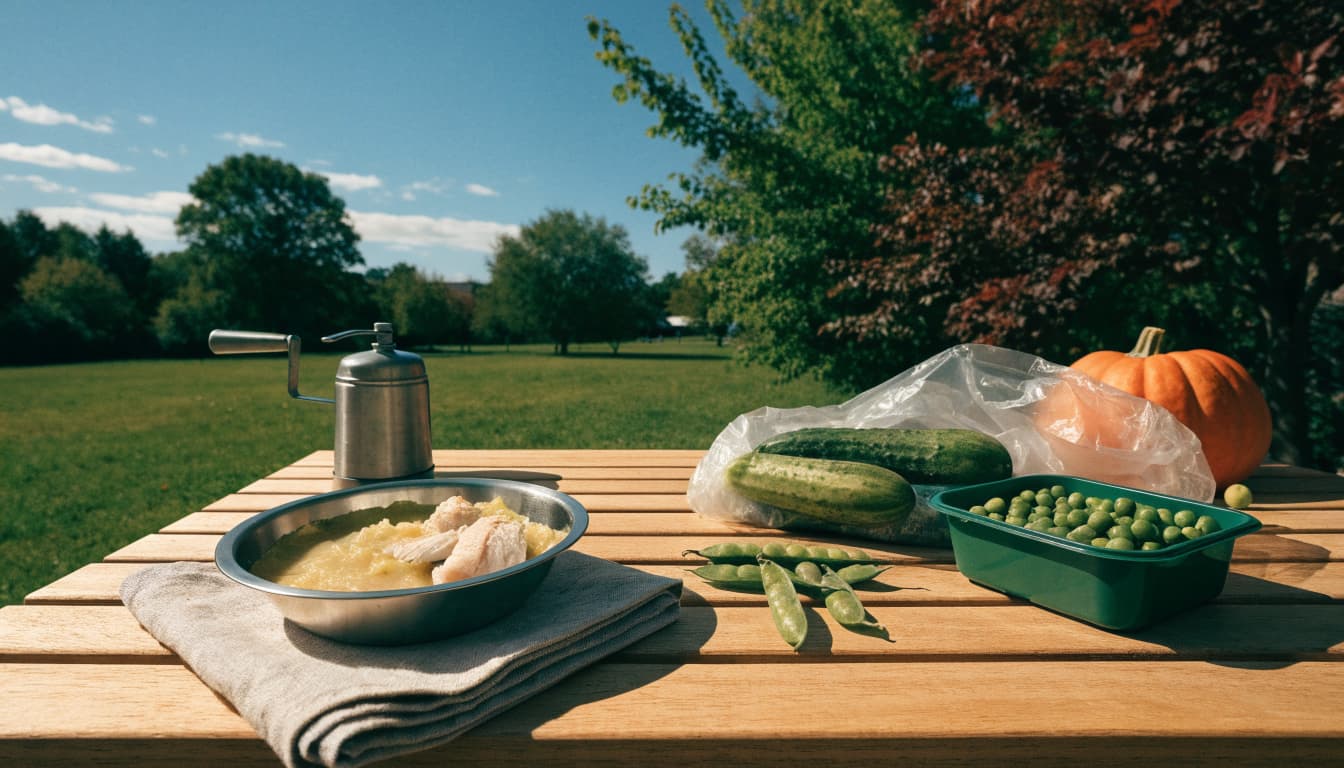
Plain yogurt travels well while properly chilled. Cooked egg and fish also need cold storage until serving.
Keep refrigerated food at 40 F or below. Don't leave perishables unrefrigerated for more than two hours, or one hour when temperatures exceed 90 F.
A cooler only protects food while it stays cold. Don't leave it in a hot car or save food when you can't establish how long it has been warm.
At a restaurant, request plain, fully cooked food without sauce. Check the ingredients, remove bones, and cool the baby's portion before serving.
Wash your hands and use clean utensils. Transfer only a small serving into the feeding bowl, keeping the remaining food untouched.
Discard anything left in that bowl after feeding because saliva can introduce bacteria. Refrigerate untouched homemade baby food promptly and use it within one to two days.
Keep Iodine Part of Everyday Feeding
Iodine-rich foods for babies work best within a varied menu, alongside regular milk feeds and iron-rich foods. Safe textures and responsive feeding matter more than finishing a particular portion.
The Wonder Wean helps you offer healthy foods even on the go. Its compact, hand-powered design turns suitable soft foods into fresh baby food without electricity, whether you're visiting family or eating out. Check ingredients, bones, temperature, and texture before serving, then Buy Now if you'd like a portable food-preparation tool for your feeding kit.