

How to Feed Baby Whole Foods on a Tight Budget
Feeding a baby well doesn't require specialty pouches, pricey powders, or a separate grocery cart. Baby whole foods can be simple, affordable ingredients your family already eats, prepared in a texture that fits your child's stage.
A banana, cooked lentils, oats, sweet potato, and frozen peas can stretch across several meals. With a flexible plan and a few food-safety habits, you can offer fresh meals without watching produce spoil in the fridge.
Start Small With Baby Whole Foods
When money feels tight, variety can sound expensive. However, babies don't need a different ingredient at every meal. Repeating familiar foods saves money and gives them time to get used to new tastes and textures.
Breast milk or infant formula remains the main source of nutrition through the first year. Solid food starts as practice, exploration, and a gradual addition to milk feeds.
Watch for feeding readiness, not the calendar alone
Many babies show signs of readiness around 6 months. They should have good head control, sit with support, and bring objects toward their mouth. They also need to swallow food rather than push it straight back out.
If your baby was born early, has trouble gaining weight, or has swallowing concerns, ask your pediatrician for personal guidance before starting solids. Feeding milestones vary, and there is no prize for starting early.
Keep the first meals plain
Start with one soft food at a time. Mashed avocado, oatmeal, cooked and mashed squash, ripe banana, or finely mashed beans are all practical choices.
You don't need to buy baby cereal unless you want it. Plain rolled oats, cooked until soft and blended or mashed with water, breast milk, or prepared formula, make a low-cost option. Pair plant foods with iron-rich choices such as lentils, beans, eggs, meat, or iron-fortified cereal over the week.
Build a Low-Cost Whole-Food Pantry
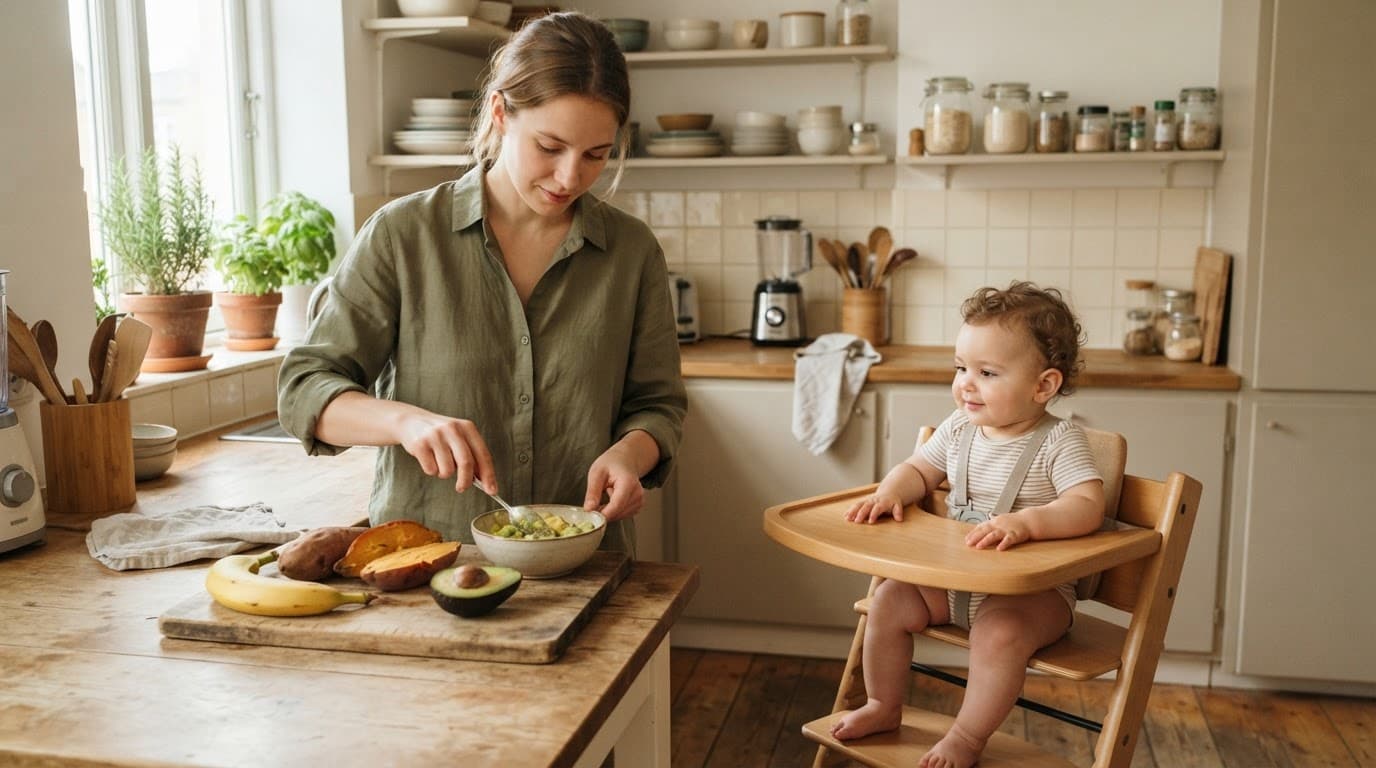
A useful baby pantry looks much like a practical family pantry. Choose ingredients that store well, freeze easily, and work in more than one meal. Dry beans, oats, eggs, rice, potatoes, frozen vegetables, and canned fish low in mercury all offer plenty of options.
Buy foods with more than one job
One bag of sweet potatoes can become a family side dish, a baby mash, and an addition to soup. A carton of eggs can cover quick breakfasts for everyone. Lentils cook fast, cost little, and turn soft enough to mash into a thick puree.
Use this simple guide when building your list:
| Budget-friendly food | Baby-friendly preparation | Family use |
|---|---|---|
| Rolled oats | Cook until soft, then mash or blend | Breakfast, muffins, oat bowls |
| Dry lentils | Simmer until falling apart, then mash | Soup, tacos, curry |
| Sweet potatoes | Bake or steam, then mash | Roasted side dish, hash |
| Frozen peas | Cook until soft, then blend or mash | Pasta, rice bowls |
| Eggs | Scramble until fully cooked, then soften pieces | Breakfast, sandwiches |
The best buys are the ingredients your household will finish. A bargain bag of produce is not a bargain if half ends up in the trash.
Use frozen and seasonal produce without guilt
Frozen vegetables and fruit are picked and frozen close to harvest. They can cost less than fresh produce, especially when an item is out of season. Keep peas, spinach, broccoli, berries, and mixed vegetables on hand for meals that don't depend on a last-minute store trip.
Seasonal produce also lowers costs. In autumn, squash and apples often go farther. During summer, ripe peaches, zucchini, and tomatoes may be cheaper. Choose what looks good and is priced fairly that week rather than following a rigid menu.
Plan Meals Around What You Already Cook
Separate baby meals create extra dishes and extra expense. Instead, set aside an unsalted portion of family food before you add salt, hot sauce, or other strong seasonings.
For example, reserve soft cooked carrots from a stew. Mash them with some broth from the pot before salt goes in. Save plain shredded chicken before adding barbecue sauce. A few spoonfuls of cooked rice and beans can become a soft mash with water or broth.
Use a loose three-day plan
A strict meal calendar can backfire when a baby refuses a food or your week gets busy. Plan around a few ingredients instead. Cook one or two base foods, then combine them in different ways over several days.
A low-stress rotation might include:
- Oatmeal with mashed banana for breakfast, then oatmeal with cooked pear later in the week.
- Lentils mashed with sweet potato, followed by lentils mixed with soft spinach.
- Egg strips or mashed egg alongside avocado, then alongside cooked zucchini.
Offer small portions first. A tablespoon or two is plenty for many new eaters, and you can always add more. This habit reduces waste and takes pressure off a baby who is still learning.
Freezing food in small portions helps, but the cheapest meal is often the leftover you serve safely the next day.
Store leftovers with care
Cool cooked food promptly and refrigerate it in covered containers. Serve a portion in a separate bowl rather than feeding directly from the storage container. Saliva from a used spoon can introduce bacteria into leftovers.
Most refrigerated homemade baby food is best used within a few days. Freeze extra portions when you know you won't use them soon, then thaw in the refrigerator. When in doubt about how long food has been stored or how it smells, discard it.
Cook Once and Make Several Baby Meals
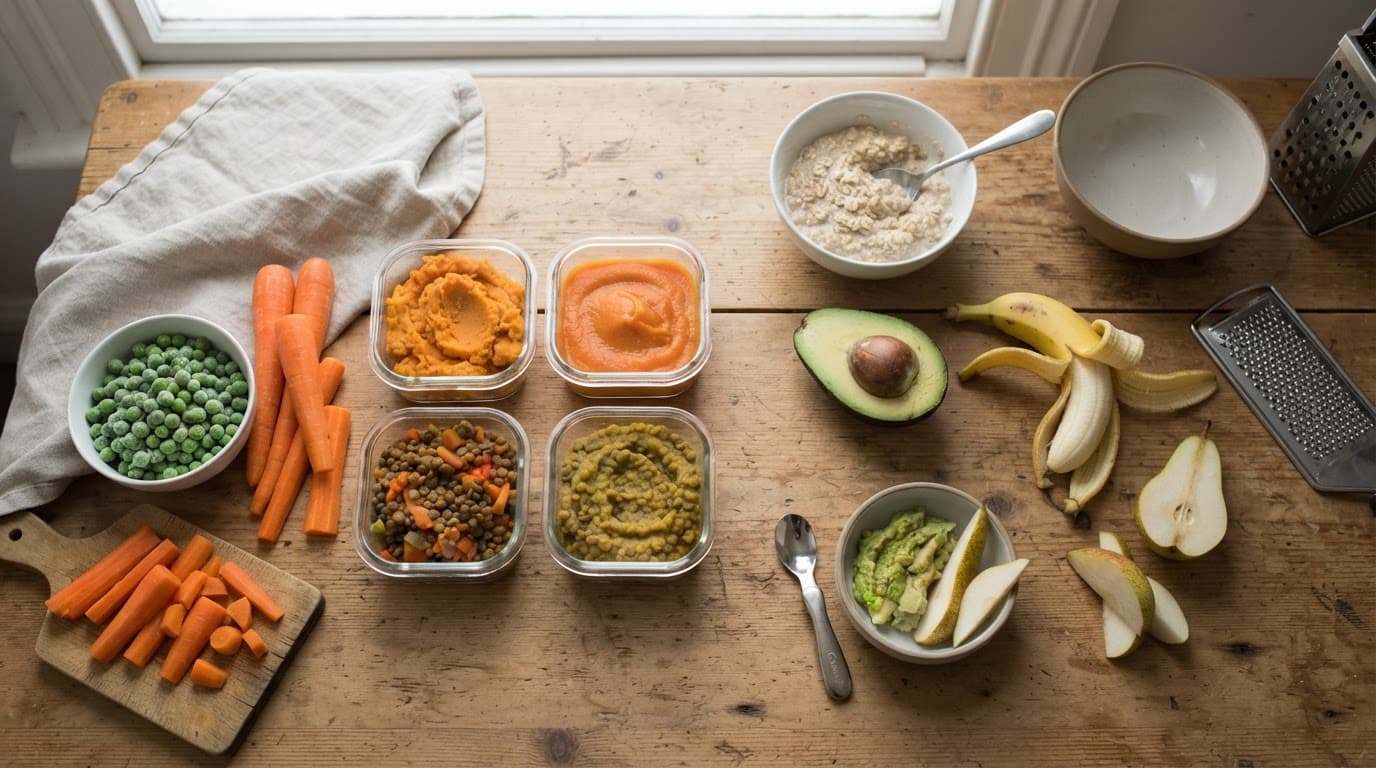
Batch cooking doesn't mean spending Sunday filling dozens of containers. It can be as simple as roasting extra vegetables while dinner cooks or simmering a full pot of lentils.
Soft foods are easy to portion after cooking. Mash with a fork, press through a potato masher, or blend if your baby still needs a smoother texture. Add water, breast milk, prepared formula, or unsalted cooking liquid a little at a time.
Stretch inexpensive proteins
Beans and lentils are among the least expensive protein options, and their soft texture works well for babies. Rinse canned beans to reduce sodium, then warm and mash them thoroughly. Dried beans are often cheaper, although they need soaking and longer cooking.
Eggs are another economical choice. Cook them fully and offer a texture your baby manages well, such as mashed egg or soft strips of omelet. Plain yogurt can work too, but compare prices by ounce and choose unsweetened varieties.
Canned salmon and canned light tuna can be useful occasional choices. Select options with lower mercury and check labels for bones. Canned salmon with soft edible bones can be mashed well, though any larger bone pieces should be removed.
Add flavor through familiar foods
Babies can enjoy food with flavor. Cinnamon in oatmeal, garlic cooked into lentils, and a little cumin in mashed beans can make shared meals taste more like family food. Skip added salt and sugar.
Use ripe fruit for natural sweetness when needed. A spoonful of mashed pear can soften tart plain yogurt. This costs less than sweetened baby snacks and helps your child learn the taste of ordinary foods.
Make Texture and Safety Part of Every Meal
Food texture matters as much as the ingredient. Begin with smooth or well-mashed foods if that suits your baby's skills, then move toward thicker mashes and soft, graspable pieces as they develop. Gradual texture changes can help babies practice chewing.
Always sit with your baby while they eat. Keep them upright in a secure high chair or other safe seat, never reclined in a car seat or stroller during meals.
Prepare common choking hazards safely
Hard, round, sticky, and slippery foods need extra care. Whole nuts, popcorn, hard raw vegetables, chunks of apple, spoonfuls of nut butter, hard candy, and whole grapes are choking hazards for young children.
Modify foods before serving:
- Cook carrots, apples, and broccoli until very soft, then mash or cut them appropriately.
- Quarter grapes and cherry tomatoes lengthwise, not across the middle.
- Spread nut butter thinly or mix a small amount into oatmeal or yogurt.
- Remove pits, tough skins, bones, and large chunks from food.
Gagging can happen as babies learn to manage food, but choking is silent and can be serious. Take an infant CPR and choking-response class if possible. Ask your pediatrician for guidance on safe textures and any concerns about allergies or oral-motor skills.
Avoid expensive snacks that add little value
Puffs, teething crackers, and fruit snacks can be convenient, but they often cost far more per serving than everyday food. They also don't replace meals with iron, protein, or produce.
Keep a few easy options ready instead. A ripe banana, plain full-fat yogurt, soft beans, or leftover oatmeal can come together faster than a store run. Baby whole foods don't need elaborate recipes to be nourishing.
Reduce Waste Without Offering Unsafe Food
Food waste is frustrating when groceries are expensive. Fortunately, a few small habits make a visible difference. First, buy smaller amounts of highly perishable produce unless you know your family will use it quickly.
Freeze ripe bananas in chunks for future oatmeal or smoothies for adults. Cook wilting vegetables into soup, then reserve a plain portion for baby before seasoning. Turn soft leftover rice into a mash with beans or vegetables.
Match purchases to your baby's appetite
Babies eat unpredictably. A food they loved yesterday may land on the floor today. That response is normal, so don't prepare adult-sized portions.
Serve a little, then offer more if your baby remains interested. Keep untouched food separate from the bowl your baby eats from, so it can safely return to the refrigerator. Over time, you'll see which foods disappear quickly and which ones need smaller purchases.
Feed Fresh Foods Away From Home
Outings don't have to push you toward expensive pouches or fast food. Pack a ripe banana, avocado, soft cooked vegetables, or a small container of leftovers in an insulated bag with an ice pack. At a restaurant, you can often set aside plain rice, a baked potato, cooked vegetables, or unseasoned beans.
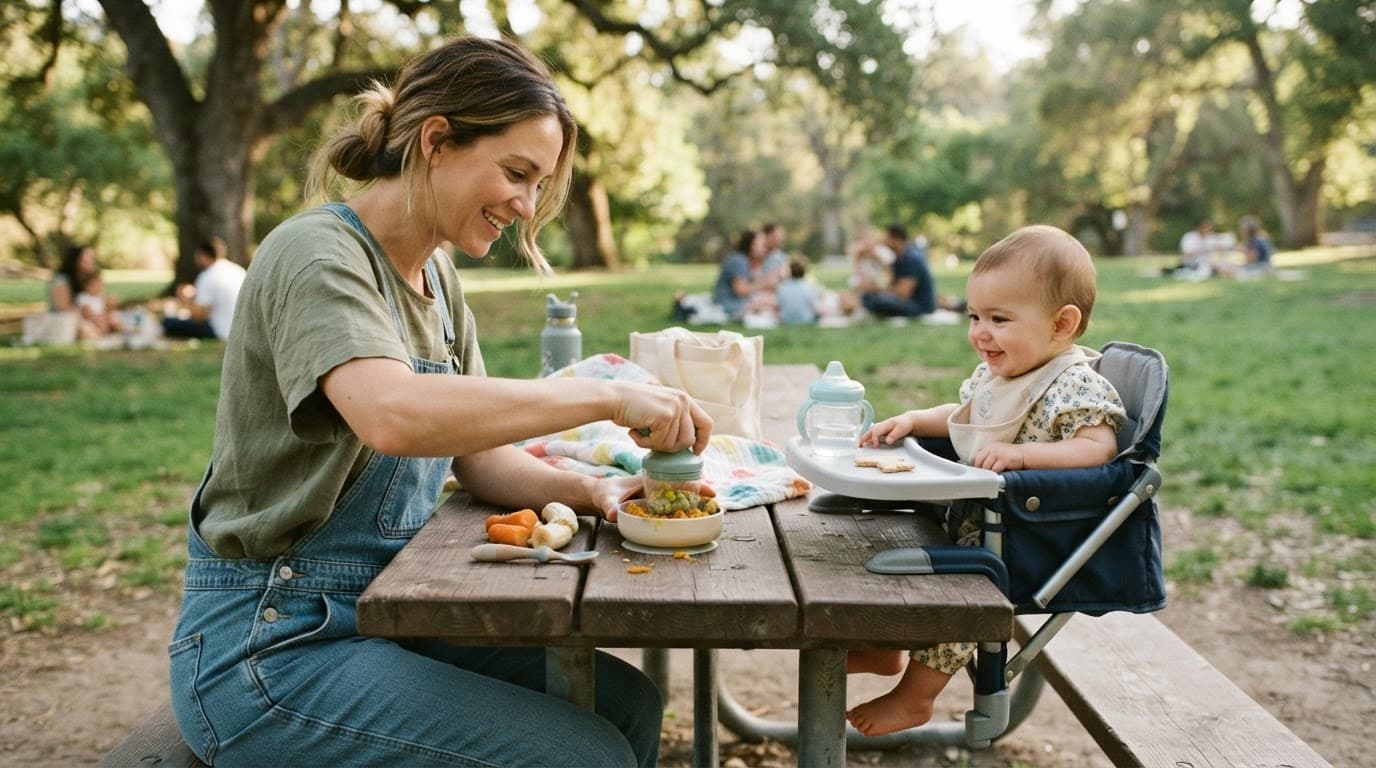
A compact hand-powered food masher makes this even easier. The Wonder Wean portable baby food maker lets you mash soft, fresh ingredients on the spot without electricity. That means an avocado at a park, steamed vegetables at a family dinner, or a banana during travel can become a baby-friendly meal with less packaging and less waste.
A Realistic Way to Keep Feeding Baby Well
Affordable feeding starts with ordinary groceries, small portions, and flexible expectations. Frozen produce, pantry staples, family leftovers, and seasonal finds can keep baby whole foods within reach without turning meals into another financial worry.
Your baby doesn't need perfection at every bite. They need safe, age-appropriate chances to explore nourishing food over time. With a simple plan and the Wonder Wean in your bag, healthy fresh meals can stay practical when you're away from home too.